The gap between patients and industry is costing you both.
The Patient Room works at the intersection of patient trust, access, and AI to help life sciences teams build the relationships that get patients into trials, keep them there, and bring their communities back when treatment is ready to launch.
Why The Patient Room Exists
The life sciences industry has spent decades perfecting the science of drug development, but it has never fully solved the human side of that equation. Patients are recruited into trials, asked to give their time, their bodies, and their trust, and then released back into their lives with little to no follow through. Communities are engaged just long enough to meet an enrollment target and then forgotten by the time the drug reaches market.
The result is an industry that keeps asking why patients do not show up, why retention rates stay low, and why post-approval adoption lags in the communities that need treatment most. The answer is not a better recruitment ad. It is a fundamental trust and access problem that runs through every stage of the clinical trial pipeline.
The Patient Room was built to address that problem from the inside out. We work with life sciences teams at the intersection of patient advocacy, community access, and AI to build the kind of relationships that move the needle at every stage, from first patient contact through post-approval launch.
This is not engagement as a checkbox. This is methodology.
The Person Behind The Patient Room
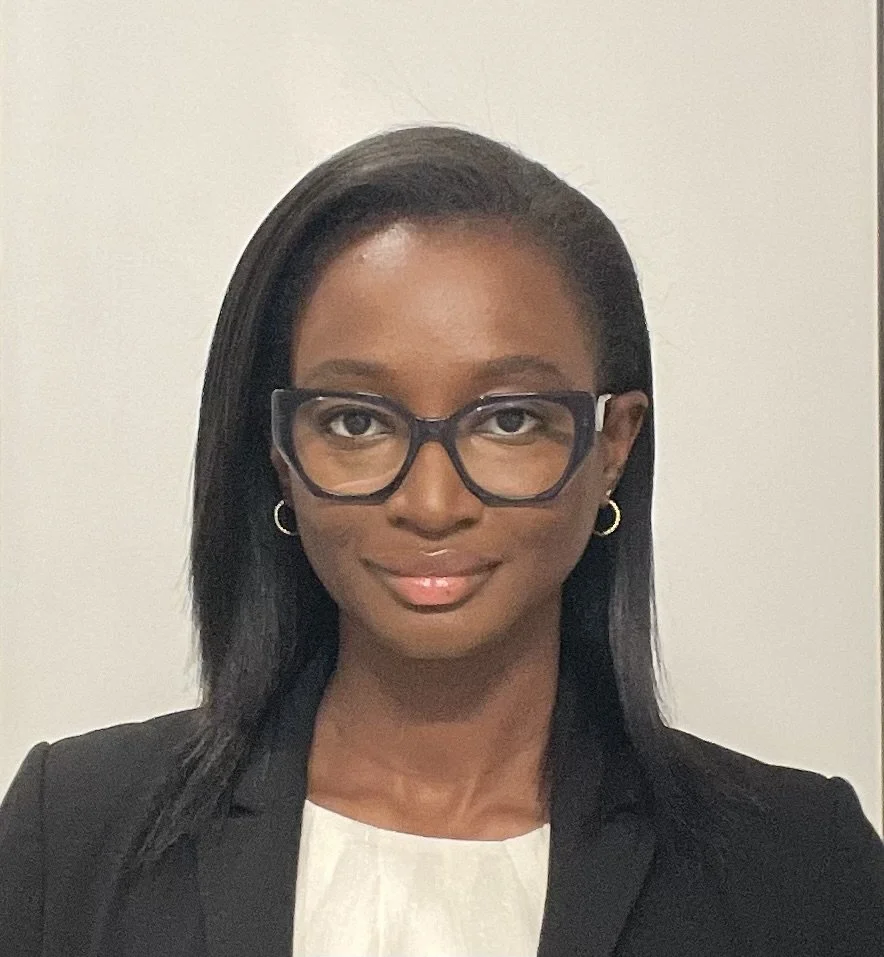
Amy Cohen, MPH
Founder & Principal Consultant
I was born with sickle cell anemia. From the time I was old enough to understand what that meant, I also understood what it meant to have access to care that many people in my community never got. I took penicillin for the first seven years of my life. I had annual visits at Texas Children’s Hospital. I had doctors who knew my name and my history before I walked through the door.
When I had my first crisis at fourteen, I had somewhere to go. Many people do not.
What changed the trajectory of my life was not luck. It was a drug called hydroxyurea, proposed by my doctors at Texas Children’s, that came out of a clinical trial process that worked exactly the way it was hypothesized to. That drug took me from genuinely wondering whether I would graduate high school to getting into my top choice college and then graduate school. It is the reason I hold a Master of Public Health from NYU School of Global Public Health. It is the reason that this past November, I became the first person with sickle cell anemia to complete the New York City Marathon.
I am not a consultant who studied this problem from the outside. I am a direct beneficiary of what this process produces when it works. I do this work because I have seen, in my own body and my own life, what is possible when patients are actually reached, actually trusted, and supported all the way through.
The communities that need these treatments most are still being left behind. Not because the science is failing them. Because the relationship is.
That is what The Patient Room is here to fix.
How The Patient Room Works With You
The work looks different depending on where you are in the process, but the through line is always the same. Every engagement starts with an honest assessment of where trust and access are breaking down, and ends with a strategy that is built to move fast and adapt faster.

Before Your Trial Begins
The Patient Room works with life sciences teams during the pre-trial phase to map the right patient communities, assess site selection through a trust and access lens, and build the relational infrastructure that makes recruitment possible before it becomes urgent.

During Your Trial

When enrollment is stalling or retention is slipping, we assess what is actually happening on the ground, identify where the trust and access breakdown is occurring, and develop a strategy to turn things around quickly.
After Your Trial, When Treatment Reaches Market
The Patient Room helps life sciences teams develop patient access strategies that account for the cultural, economic, and historical realities of underserved communities, closing the gap between a treatment that exists and a treatment that actually reaches the people it was designed for.
Let’s Talk
Whether you are navigating a stalled trial, preparing for launch, or trying to figure out why your community engagement is not converting, the right conversation can change everything. Reach out directly at info@thepatientroom.com or complete the form and someone will be in touch within 48 hours.